Travel payments
Must-try foods in Southeast Asia and how to pay
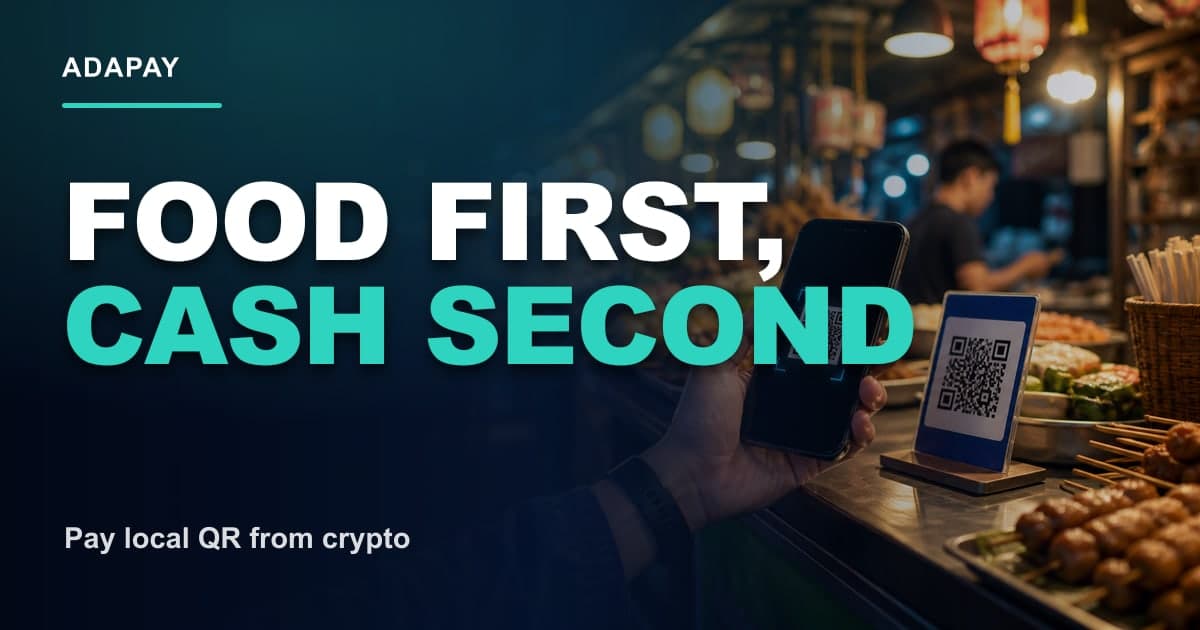
Try Southeast Asia foods like pad Thai, pho, banh mi, laksa, satay, roti canai, khao soi, mango sticky rice, amok, QR, cash, and ADAPAY.








Summarize content with
Open this guide in your preferred assistant and keep the payment decisions close.
 ChatGPT
 Perplexity
 Grok
Grok Gemini
What this guide solves
Food is one of the best reasons to travel Southeast Asia. But the best meals are often found at stalls, markets, shophouses, and busy local restaurants where payment habits vary by country, city, and vendor.
This ADAPAY guide gives you a food list and a payment plan, so you can focus on eating instead of fumbling through cash and QR screens.
Quick answer
Try the classics, eat where turnover is high, confirm prices before ordering, carry small local notes, and use QR where your app supports it. ADAPAY can help with supported local QR-style payments, but cash remains the universal backup for street food.
Pad Thai, Thailand
Pad Thai is popular for a reason: noodles, egg, tamarind, lime, peanuts, and a choice of protein. It is easy to find and easy to customize.
Payment tip: Small stalls often prefer cash. Tourist-heavy areas may show QR codes, but not every visitor can use Thai QR rails.
Pho, Vietnam
Pho is Vietnam's famous noodle soup, usually beef or chicken with herbs, broth, and rice noodles. It works for breakfast, lunch, or late-night recovery.
Payment tip: Local pho shops may be cash-first. In larger cities, some restaurants accept VietQR or local wallet options, but cash keeps things simple.
Banh mi, Vietnam
Banh mi is a baguette sandwich shaped by Vietnamese and French influences: crisp bread, herbs, pickles, chili, pate, egg, pork, chicken, or other fillings.
Payment tip: This is a quick purchase. Have small VND notes ready before your sandwich is wrapped.
Som tum, Thailand
Som tum is green papaya salad with lime, chili, fish sauce, and crunch. It can be mild or very spicy.
Payment tip: Confirm spice level and price first. Cash is common at small stalls.
Laksa, Malaysia and Singapore
Laksa is a rich noodle soup with regional variations. Some versions are coconut-based and creamy; others are sharper and fishier.
Payment tip: Food courts in Malaysia and Singapore can use cards, QR, stored-value systems, or stall-specific methods. Check before queuing.
Satay, Indonesia and Malaysia
Satay is grilled skewered meat with peanut sauce or other regional sauces. It is street-food perfection when cooked fresh over charcoal.
Payment tip: Buy by the stick or set. Cash is useful at night markets, while QR can appear in urban hawker areas.
Roti canai, Malaysia
Roti canai is flaky flatbread served with dhal or curry. It is cheap, filling, and excellent for breakfast or late-night food.
Payment tip: Mamak-style restaurants may accept cash, QR, or cards depending on size. Ask before ordering a big table if you are with a group.
Khao soi, Thailand
Khao soi is a Northern Thai curry noodle dish with soft and crispy noodles, usually served with pickles, lime, and chili oil.
Payment tip: In Chiang Mai, popular shops may accept QR, but small local spots may prefer cash.
Mango sticky rice, Thailand
Mango sticky rice is sweet coconut sticky rice with ripe mango. It is simple, seasonal, and very easy to keep ordering.
Payment tip: Dessert stalls are often cash-first. Keep 20, 50, and 100 baht notes ready.
Amok, Cambodia
Amok is a Cambodian curry-style dish often made with fish, coconut, and spices, traditionally steamed in banana leaves.
Payment tip: Tourist restaurants may accept cards. Local restaurants and market stalls may prefer cash or local QR. Ask before ordering if you are low on cash.
Food payment checklist
Before a food walk:
- Carry small local notes.
- Keep coins where useful.
- Charge your phone.
- Confirm QR access in that country.
- Keep a backup card.
- Use ADAPAY where supported.
- Avoid placing your phone on wet or oily counters.
- Save the restaurant name if you need to return or leave a review.
Hygiene and comfort
Choose busy stalls, food cooked hot, covered ingredients, and vendors who handle money and food cleanly. If you have allergies, keep a translated note offline. If you are sensitive to spice, learn the local phrase for "not spicy" or "a little spicy."
Food travel should feel adventurous, not reckless.
Bottom line
Southeast Asia's must-try foods are best enjoyed with a simple payment setup: small cash for stalls, card for larger restaurants, QR where available, and ADAPAY for supported crypto-funded local payments.
The more prepared your payment stack is, the easier it is to say yes to one more dish.
Informational content only
This resource is general information, not financial, legal, tax, or investment advice. Local payment access, coverage, fees, and eligibility can change; verify terms with the relevant provider before relying on any route. ADAPAY's public financial service is not live.
Sources
These public references provide context for this guide and may be updated by the relevant organizations.